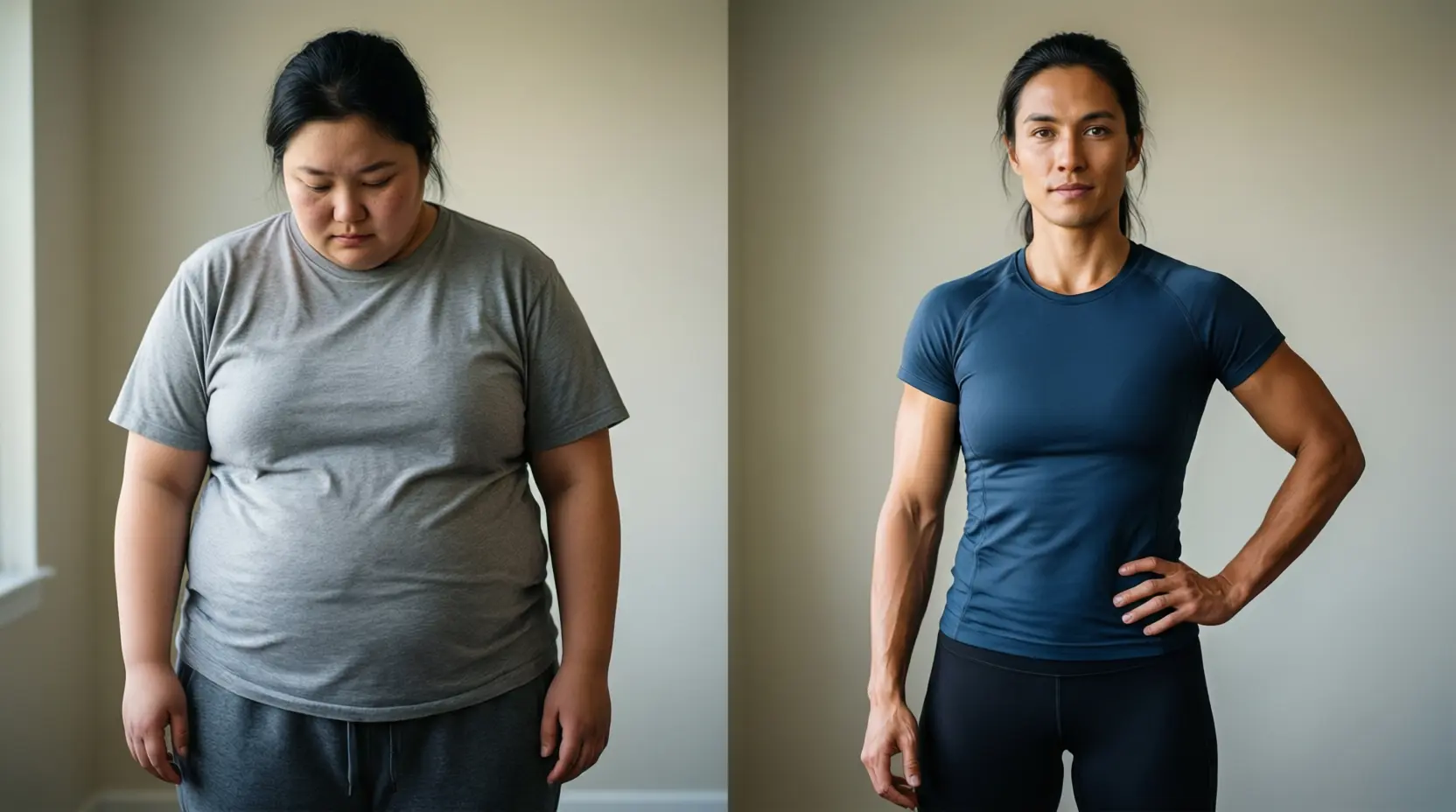
Weight loss before and after stories are powerful because they show what real change looks like beyond numbers on a scale. For many people, seeing a transformation helps turn doubt into belief and motivation into action.
These journeys are not just about losing weight; they represent improvements in health, confidence, and overall quality of life. Behind every before and after weight loss result is a combination of consistency, lifestyle changes, and patience.
While social media often highlights dramatic transformations, true and lasting weight loss is usually gradual and sustainable. Understanding what happens before the journey begins and what realistically changes after helps set healthy expectations.
This article explores weight loss before and after in depth, breaking down the physical, mental, and lifestyle transformations involved.
Whether you are just starting out or looking for motivation to continue, these insights will help you understand how real weight loss results happen and how you can begin your own transformation with confidence.
Life Before Weight Loss: The Starting Point
Before beginning a weight loss journey, many people face a combination of physical discomfort, emotional stress, and unhealthy routines that slowly impact their overall well-being. The “before” phase of weight loss is often marked by low energy levels, difficulty performing daily tasks, and a growing sense of frustration with one’s body. Simple activities such as walking upstairs, bending down, or standing for long periods can feel exhausting, making everyday life more challenging than it should be.
Beyond the physical struggles, the emotional side plays an equally important role. Many individuals experience low self-confidence, negative body image, and feelings of guilt or embarrassment related to their weight. Emotional eating becomes common, especially during periods of stress, boredom, or sadness. This cycle often reinforces unhealthy habits, making it harder to break free and start fresh.
Lifestyle choices during this phase also contribute to weight gain or stalled progress. Diets high in processed foods, irregular meal patterns, lack of physical activity, poor sleep, and insufficient hydration are common factors. These habits can disrupt metabolism and make sustainable weight loss feel impossible. Understanding this starting point is crucial because it highlights that weight gain is rarely the result of a single choice. Instead, it develops over time through small, repeated behaviors. Recognizing these challenges helps create awareness and sets the foundation for meaningful, lasting change.
The Turning Point: Deciding to Start the Weight Loss Journey
Every weight loss before and after transformation begins with a decisive moment a turning point where continuing the same lifestyle feels harder than making a change. This moment can be triggered by many factors, such as a health warning from a doctor, difficulty fitting into clothes, constant fatigue, or simply feeling unhappy when looking in the mirror. For others, the motivation comes from wanting to improve confidence, mobility, or long-term health rather than appearance alone.
At this stage, mindset becomes more important than motivation. Motivation may spark the journey, but mindset is what sustains it. Successful weight loss transformations usually begin with setting realistic and achievable goals instead of chasing quick fixes. Understanding that progress takes time helps reduce frustration and prevents early burnout. Small, consistent steps such as improving food choices, increasing daily movement, and prioritizing sleep often create more lasting results than extreme dieting or overtraining.
Another key part of the turning point is accepting that setbacks are normal. Weight loss is not a straight line, and temporary plateaus or slow weeks do not mean failure. Learning to view the journey as a lifestyle adjustment rather than a short-term challenge makes long-term success more achievable. This mental shift allows individuals to focus on building healthier habits instead of obsessing over the scale. Once this decision is made, the weight loss before and after transformation truly begins, laying the groundwork for physical and emotional change.
Life After Weight Loss: Physical and Emotional Transformation
The “after” phase of a weight loss before and after journey often brings noticeable changes that go far beyond physical appearance. One of the most immediate differences is improved energy. Daily activities such as walking, exercising, or even completing routine tasks become easier and less exhausting. Many people also experience better posture, increased flexibility, and improved endurance as excess weight is reduced and muscle strength improves.
Physical transformation is commonly reflected in changes to body shape, clothing size, and overall mobility. While the scale may show a lower number, other improvements such as muscle tone and reduced body fat are often more meaningful indicators of progress. Health markers like blood pressure, cholesterol levels, and blood sugar control may also improve, supporting long-term wellness.
Equally important are the emotional and mental benefits that follow weight loss. Increased confidence and self-esteem are frequently reported, as individuals feel more comfortable in their bodies and social situations. Mood improvements, reduced stress, and a more positive relationship with food often develop as healthy habits become routine. Instead of relying on emotional eating, many learn healthier ways to manage stress and emotions.
Life after weight loss also encourages better lifestyle choices. People tend to stay more active, make mindful food decisions, and prioritize sleep and self-care. These changes help maintain results and prevent weight regain. Ultimately, the “after” stage represents not just a physical transformation but a healthier, more balanced way of living.
Methods Behind Successful Weight Loss Before and After Results
Most realistic weight loss before and after transformations are achieved through a combination of balanced nutrition, regular physical activity, and sustainable daily habits. Rather than extreme dieting, successful individuals usually focus on creating a calorie deficit by choosing whole, nutrient-dense foods. Meals rich in lean protein, vegetables, fruits, whole grains, and healthy fats help control hunger while supporting metabolism and muscle preservation.
Exercise plays an important role in shaping long-term results. Cardiovascular activities such as walking, cycling, or swimming help burn calories and improve heart health, while strength training builds muscle and enhances body composition. Many people find that combining both leads to better and more lasting before and after weight loss results. Importantly, workouts do not need to be intense or time-consuming; consistency matters more than intensity.
Daily habits also strongly influence success. Drinking enough water, getting quality sleep, and managing stress can significantly affect weight loss progress. Poor sleep and chronic stress can increase hunger hormones, making it harder to stay on track. Developing structured routines such as planned meals and regular movement helps reduce reliance on motivation alone.
Some individuals seek professional guidance from nutritionists, trainers, or healthcare providers, especially when dealing with medical conditions or significant weight to lose. Regardless of the method used, the key to a true weight loss before and after transformation is sustainability. Habits that can be maintained long-term are far more effective than quick fixes that lead to burnout or weight regain.
Weight Loss Before and After Timeline: What to Expect
Understanding the timeline of a weight loss before and after transformation helps set realistic expectations and prevents unnecessary frustration. In the first few weeks, many people notice quick changes on the scale. This early drop is often due to water weight rather than pure fat loss, especially when reducing processed foods and excess carbohydrates. While motivating, this phase should not be mistaken for long-term results.
Around the one- to three-month mark, visible changes usually become more noticeable. Clothes may fit better, energy levels improve, and physical endurance increases. Fat loss becomes more consistent during this period as healthy habits begin to take effect. Progress may slow compared to the initial weeks, but these changes are more sustainable and meaningful.
Between six months and one year, many individuals experience their most significant transformations. By this stage, weight loss is often accompanied by improved muscle tone, better posture, and lasting lifestyle changes. The body adapts to healthier routines, making it easier to maintain results rather than constantly struggle against old habits.
Plateaus are a normal part of the process and can happen at any stage. They do not mean failure but rather signal that the body is adjusting. Adjusting calorie intake, increasing activity, or improving sleep can help restart progress. The most successful weight loss before and after stories come from patience and consistency over time, not rapid or extreme approaches. Long-term commitment ultimately leads to healthier, lasting results.
Realistic Expectations vs Social Media Weight Loss Transformations
Social media has made weight loss before and after photos extremely popular, but these images often create unrealistic expectations. Many viral transformations are influenced by lighting, posture, angles, and timing rather than true long-term fat loss. In some cases, photos are taken during moments of dehydration, muscle flexing, or after short-term dieting, which can exaggerate results. Comparing your journey to these images can lead to frustration and disappointment.
Real weight loss is rarely fast or dramatic. Healthy and sustainable progress typically occurs over months, not weeks. Factors such as age, genetics, starting weight, lifestyle, and health conditions all influence how a body responds to diet and exercise. This is why two people following similar routines may see very different results. Understanding these differences helps set realistic and achievable goals.
Another common misconception is that weight loss success should be measured only by the scale. In reality, progress includes improvements in strength, endurance, mobility, and overall well-being. Non-scale victories such as better sleep, increased energy, or improved confidence are just as important as visible physical changes.
True weight loss before and after transformations focus on health rather than perfection. Sustainable routines, balanced nutrition, and self-care produce lasting results, while extreme dieting often leads to burnout or weight regain. By shifting attention away from social media standards and toward personal progress, individuals can develop a healthier mindset and enjoy the journey rather than feeling pressured by unrealistic comparisons.
Common Mistakes That Prevent Lasting Weight Loss Results
Many weight loss before and after journeys fail not because of lack of effort, but due to common mistakes that make progress unsustainable. One of the biggest errors is crash dieting. Severely cutting calories may lead to rapid weight loss at first, but it often results in fatigue, nutrient deficiencies, and muscle loss. This approach can slow metabolism and increase the likelihood of regaining weight once normal eating resumes.
Another frequent mistake is overtraining while ignoring recovery. Exercising every day without rest can lead to burnout, injuries, and hormonal imbalances that hinder fat loss. Rest days, proper sleep, and stress management are essential for the body to recover and adapt.
Many people also rely too heavily on the scale to measure success. Daily weight fluctuations caused by water retention, digestion, or hormonal changes can be misleading and discouraging. Focusing only on numbers may cause individuals to overlook positive changes such as improved strength, better endurance, or looser-fitting clothes.
Inconsistency is another major barrier. Following a plan perfectly for a short time and then giving up often leads to stalled progress. Sustainable weight loss depends on long-term habits rather than short bursts of effort. Lastly, unrealistic expectations such as expecting dramatic results in a few weeks can cause disappointment and loss of motivation. Recognizing and avoiding these mistakes helps create healthier routines and supports true weight loss before and after transformations that last.
How to Track Weight Loss Before and After Progress Effectively
Tracking progress is an essential part of any successful weight loss before and after journey. While the scale can provide useful data, it should not be the only measurement of success. Body weight naturally fluctuates due to water retention, digestion, and hormonal changes, which can sometimes hide real fat loss. Taking weekly or biweekly weigh-ins instead of daily measurements helps reduce unnecessary stress.
Progress photos are one of the most effective tracking tools. Taking photos from consistent angles, in similar clothing, and under the same lighting conditions allows visible changes to be seen over time. Measurements such as waist, hips, chest, and thighs can also reveal fat loss even when the scale remains unchanged. These methods provide a clearer picture of true progress.
Non-scale victories are equally important to track. Increased energy, better sleep, improved mood, and enhanced physical performance are strong indicators of success. Keeping a journal to record habits, workouts, and how you feel can help identify patterns and maintain motivation.
Staying motivated requires focusing on consistency rather than perfection. Plateaus and slow periods are normal and do not mean failure. Setting small, achievable goals and celebrating progress along the way helps maintain momentum. Building a support system whether through friends, family, or online communities can also make the journey more enjoyable. Effective tracking and positive reinforcement strengthen commitment and support long-term weight loss success.
Maintaining Weight Loss: Life After the Before and After
Reaching a weight loss goal is a major achievement, but maintaining those results is just as important as losing the weight in the first place. Many successful weight loss before and after transformations continue by shifting focus from weight loss to weight maintenance. This means keeping the healthy habits that led to progress rather than returning to old routines.
One key factor in long-term success is flexibility. Rigid diets are difficult to sustain and often lead to burnout. Allowing occasional treats while maintaining overall balance helps prevent feelings of deprivation. Continuing regular physical activity such as walking, strength training, or recreational exercise supports metabolism and overall health without the pressure of intense routines.
Mindset also plays a crucial role in maintenance. Viewing healthy eating and movement as part of a lifestyle rather than a temporary phase makes consistency easier. Weight fluctuations are normal, and small increases do not mean failure. Addressing minor changes early through routine adjustments helps prevent significant regain.
Ongoing self-monitoring can also be helpful. Periodically checking weight, taking measurements, or reviewing habits helps maintain awareness without becoming obsessive. Stress management, quality sleep, and hydration remain essential during this stage, as they directly influence hunger and energy levels.
Ultimately, the most successful weight loss before and after stories are those where individuals prioritize health, balance, and sustainability. By focusing on long-term habits rather than short-term results, it becomes possible to maintain progress and enjoy a healthier, more confident life.
Weight Loss Before and After: Results Vary for Everyone
Weight loss before and after transformations can look very different from one person to another. Factors such as age, gender, genetics, starting weight, and lifestyle all influence how the body responds to diet and exercise. Understanding these differences helps set realistic expectations and reduces unhealthy comparisons.
Individuals often experience weight loss differently. Men may lose weight faster at the beginning due to higher muscle mass and metabolism, while women may notice slower progress influenced by hormonal fluctuations. Both can achieve lasting results, but the timeline and visible changes may vary.
Beginners often see quicker early progress because their bodies respond rapidly to new habits. Those who have dieted multiple times in the past may experience slower results and need more patience. Older adults may also see gradual changes due to natural metabolic shifts, but consistent activity and balanced nutrition still produce meaningful improvements.
Busy schedules, work stress, and family responsibilities can affect progress as well. However, weight loss does not require perfection or long gym sessions. Small, consistent changes such as daily walking, portion control, and improved sleep can lead to significant before and after results over time.
Health conditions and medications may also impact weight loss. In such cases, professional guidance can help ensure safe and effective progress. The key takeaway is that successful weight loss is not about matching someone else’s transformation. It is about improving personal health, strength, and confidence. Embracing individual progress leads to sustainable and rewarding results.
Frequently Asked Questions About Weight Loss Before and After
How long does it take to see weight loss before and after results?
Most people notice small changes within the first few weeks, often due to water weight loss. Visible fat loss typically appears after one to three months of consistent healthy habits. Long-lasting transformations usually take six months or more.
Are weight loss before and after results permanent?
They can be, as long as the lifestyle changes that led to weight loss are maintained. Returning to old eating and activity patterns increases the risk of weight regain.
Can anyone achieve weight loss before and after results?
Yes, but results vary. Factors like age, genetics, health conditions, and consistency all play a role. Sustainable progress is possible for most people with realistic goals and patience.
Is loose skin unavoidable after weight loss?
Loose skin depends on the amount of weight lost, age, genetics, and how quickly weight is lost. Gradual weight loss, strength training, and proper hydration may help improve skin appearance.
Why does my weight loss look slower than others?
Every body responds differently. Hormones, metabolism, and lifestyle factors affect progress. Comparing journeys can be discouraging; focusing on personal improvement is more effective.
These common questions highlight that weight loss before and after transformations are not about speed or perfection. They are about consistent habits, patience, and prioritizing health over unrealistic expectations.
Final Thoughts:
Weight loss before and after transformations are more than visual changes they represent commitment, patience, and a shift toward healthier living. Every successful journey begins with awareness and a decision to change, followed by consistent habits that support both physical and mental well-being. While the scale may reflect progress, the real transformation often happens in confidence, energy, and overall quality of life.
It is important to remember that there is no universal timeline or perfect method for weight loss. Sustainable results come from balanced nutrition, regular movement, proper rest, and a mindset focused on long-term health rather than quick fixes. Progress may be slow at times, and setbacks are a natural part of the process. What matters most is continuing forward rather than giving up.
If you are inspired by weight loss before and after stories, use them as motivation not comparison. Your journey is unique, and success should be measured by improvement, not perfection. Start with small, achievable changes and allow them to build over time.
Now is the best time to take the first step. Whether that means improving your diet, becoming more active, or simply committing to healthier habits, consistent action leads to lasting results. Explore more weight loss guides, tips, and transformation stories on our site to stay motivated and informed as you begin or continue your own journey toward better health and confidence.

I am Adrian Cole, a storyteller and positivity seeker, sharing daily inspiration, uplifting thoughts, and heartfelt moments to brighten your world.